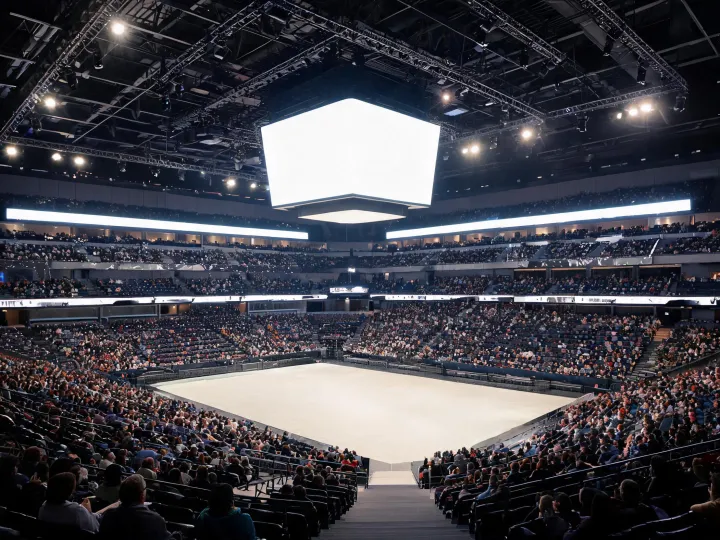
SPORTS & LIVE EVENTS
Fast motion, cameras and distant seats
Coordinate sightlines, refresh behavior, broadcast exposure and content zones. Nearest and farthest seats may support different line-spacing decisions.
Each scene begins with a different critical viewer, ambient-light condition, content load and service-access problem. Those inputs—not a universal “best” display—set the useful specification range.
Coordinate sightlines, refresh behavior, broadcast exposure and content zones. Nearest and farthest seats may support different line-spacing decisions.
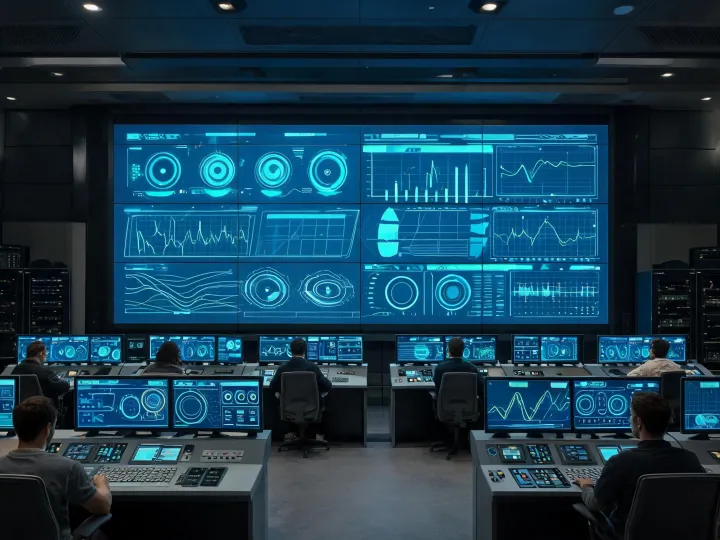
Prioritize fine text legibility, low-brightness behavior, redundancy, ergonomics and front-service access where rear space is constrained.
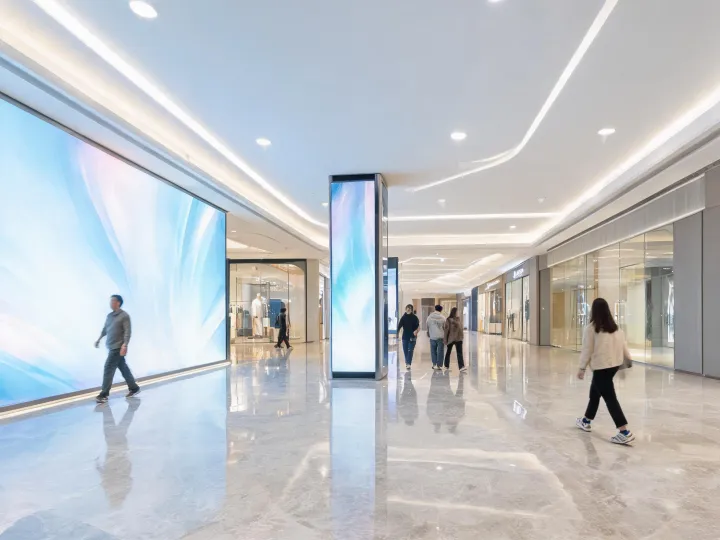
Balance close-range image quality with wall depth, reflections, audio, content governance and service windows during occupied hours.
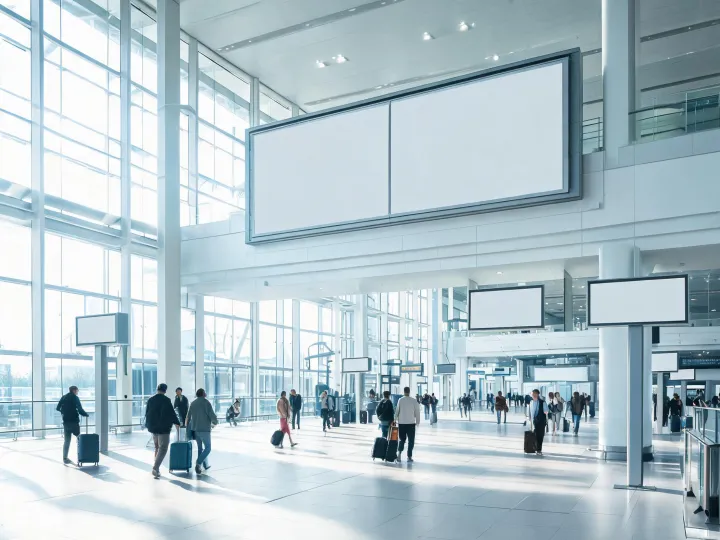
Define viewing angles, character size, environmental exposure, fault response and safe technician routes before equipment selection.
Published indoor references include RGB 3-in-1 SMD, 100,000-hour half-brightness lifetime, 1,600–2,000-nit calibrated brightness depending on line spacing, and horizontal viewing up to 170°. These are family-level references, not a substitute for the exact model data sheet.
| Decision | When one direction helps | What it can cost or constrain | Verification method |
|---|---|---|---|
| Smaller pixel pitch | Closer viewers and fine text | Higher pixel count, processing demand and cost | View representative content at planned distance |
| Higher brightness | Daylight or high ambient light | Power, heat and visual comfort at low ambient levels | Measure daylight and nighttime operating states |
| Front service | Shallow wall cavities | Module extraction clearance and finish coordination | Perform a physical removal-path review |
| Rear service | Dedicated access corridors | Greater architectural depth and controlled access | Review technician route and safe work zone |
Viewing-distance rules are starting points; text size, visual acuity, motion and content contrast can change the acceptable result.
Indoor products are not automatically appropriate for outdoor moisture, temperature, wind or direct-sun conditions.
Cabinet access, replacement inventory and calibration procedures influence downtime and should be priced with the hardware.
Source anchor: Daktronics official indoor LED specifications and viewing-distance knowledge base, accessed July 2026.
Provide a plan, elevation, ambient-light description and representative content for a focused application review.
Request an Application Review